When Is Dental Implant Restoration Recommended?

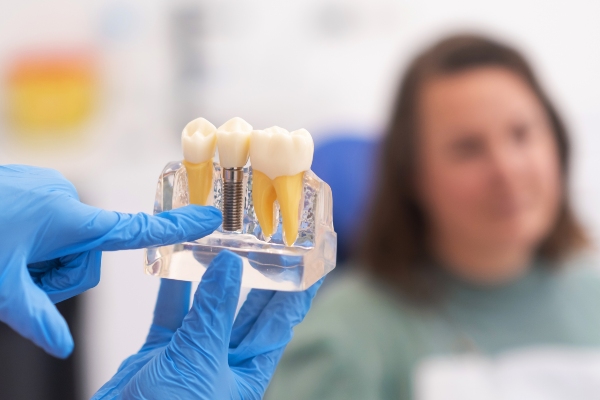
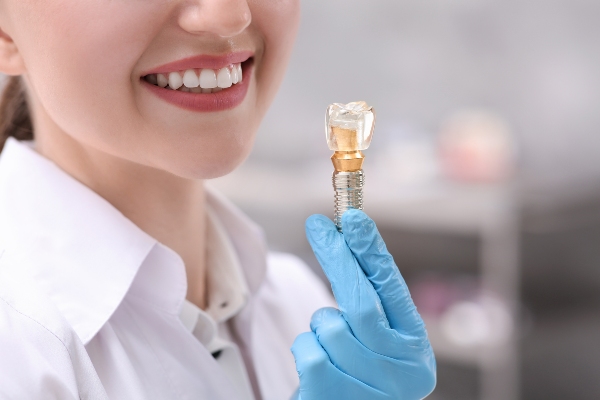
Tooth loss is more than an aesthetic problem, which is why dentists may recommend a dental implant. Continue reading to learn when a dentist might suggest getting dental implants. A missing tooth affects dental functions, causes bone loss, and other teeth may start to move out of alignment. Dental implants are sturdy and reliable, providing patients with the feel and function of natural teeth.
When would someone need a dental implant restoration?
The following are signs that may indicate the need for a dental implant restoration:
A missing tooth
When a tooth is missing or so severely damaged that repair is not possible, the dentist will recommend getting a dental implant restoration. The implant blends with the rest of the teeth, so it is hard to tell apart. It is also the strongest and most durable tooth replacement, allowing patients to use the tooth like their lost natural tooth. Leaving a lost tooth unreplaced will affect dental functions and may increase the risk of infection and tooth misalignment.
Poorly-fitting dentures
Poorly-fitting dentures are a hassle to deal with, and the pain and discomfort can be frustrating. An implant-supported restoration provides better stability and is more secure than traditional dentures, allowing them to function just like natural teeth. This would be a welcome change for patients who are already struggling with slipping dentures. It will also prevent gum irritation and bone deterioration. The dental implant restoration will last longer and reduce office visits for denture relining or repair.
Oral infection
Gum disease or tooth fracture can cause tooth infection. Regardless of the cause, a severe infection affects the tooth’s integrity and often necessitates extraction. A dental implant can be used to replace the teeth. This will save patients from dealing with the pain associated with a tooth infection and prevent the severe health conditions related to the issue.
Deteriorating jawbone
If the teeth have been lost for some time, the jawbone may have started depleting and receding. Aside from replacing the missing teeth, dental implants also help preserve the jawbone. Placing implants into the jawbone can stop further bone deterioration. If implants are not used, there is an additional risk of jaw issues and further tooth loss. The implants will restore the jaw’s stability over time by providing proper stimulation.
If the dentist discovers signs of bone resorption, they will talk to the patient about getting implants. Prolonging the restoration procedure may cause severe bone deterioration that a bone graft might be required before implants can be placed.
Facial changes
If the patient’s face appears caved in, the dentist might recommend getting dental implants. The sinking face and aged skin could be due to bone loss caused by missing teeth and is prevalent among patients who use dentures. Dentures do not preserve the jawbone like dental implants. The natural lift provided by implants can restore the facial appearance and reverse the aged look.
The bottom line
Dental implant restoration has been used successfully over the years for replacing missing teeth. If you would like to learn more about the procedure, book an appointment with our dental office today.
Request an appointment here: https://www.allsmilesdentalcenter.com or call All Smiles Dental Center at (210) 714-7429 for an appointment in our San Antonio office.
Check out what others are saying about our dental services on Yelp: Dental Implant in San Antonio, TX.
Recent Posts
A dental implant is widely considered the tooth replacement solution that most closely resembles a natural tooth in durability, functionality, and appearance. However, like natural teeth, dental implants require diligent and consistent care to ensure longevity. Incorporating proper dental implant care into your oral hygiene routine can prevent complications and keep your smile healthy for…
Dental implants provide a durable and natural-looking solution for missing teeth, but they do not work on their own. An implant crown serves as the final step in this process, completing the restoration and restoring smile function, appearance, and confidence. They mimic the appearance and strength of natural teeth to integrate with the rest of…
Replacing missing teeth with dental implants can result in a stable and strong bite. It restores the crown and the root. Knowing how this dental replacement system replaces a missing tooth can convince you to set an appointment with your dentist about it. Here are the details about how dental implants can make this happen.Tooth…
Having dental implants can correct tooth loss, which is the primary reason for getting these dental replacements. Other reasons for getting them may determine if you are a good candidate for this treatment. Knowing if you are a good candidate for dental implants can help you prepare well for your next appointments. Here are the…