What to Do When You Have a Chipped Tooth
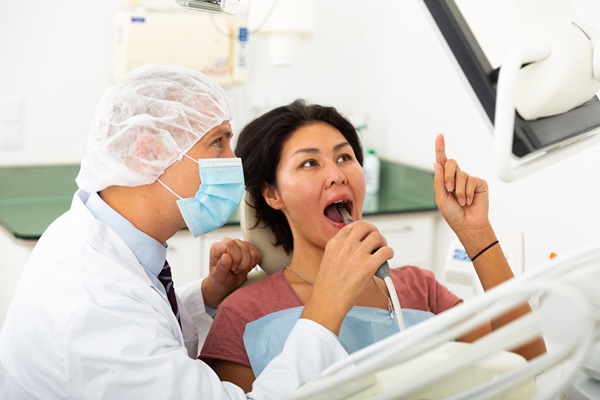
There are many possible causes of a chipped tooth. Opening packages with your teeth, biting down on hard foods or objects and facial trauma can chip teeth. Whatever the cause, a chipped tooth can bring discomfort and make your teeth less appealing. Fixing a chipped tooth when you first notice it can prevent further problems. You and your dentist can work together to choose a dental restoration.
Options for chipped teeth
If someone is unable to see the dentist right away, there are options for alleviating pain. The patient can take over-the-counter painkillers and apply ice. It can be important to avoid foods that are too hot or cold to prevent tooth sensitivity. When a dental appointment is made, the dentist will need to examine the tooth before making any recommendations.
Bonding
For a small and uncomplicated chip, the dentist may suggest bonding. This simple procedure uses a composite material to mold over the healthy areas of the tooth. The dentist will first roughen the enamel and then shape the composite into a natural-appearing extension.
The composite material will match the shade of the patient’s teeth. This means that it will blend into the rest of the natural teeth and be less noticeable. A blue light will harden the material. The composite can last up to 10 years, and so it is ideal for cosmetic tooth chips.
Veneers
If the chipped tooth is a more severe cosmetic problem, the dentist may recommend veneers to the patient. This restoration is a porcelain cover that attaches to the front of the teeth. The veneer can cover up the chip and make a patient’s smile look complete and unbroken.
Because it is designed specifically for the patient, the veneer will provide a natural, smooth look when finished. A veneer can last for 10 to 20 years if the patient takes proper care of it.
Crowns
Like veneers, crowns are porcelain caps for chipped or cracked teeth. The main difference between the two is that a crown will protect the entire tooth. Dentists may recommend a patient get a crown if there is significant tooth loss from the chip or crack.
The dentist can repair tooth shape while also preventing further damage like decay or exposed nerves. Crowns can match the rest of the teeth and be unnoticeable within the mouth.
Dental implants
If the patient has chipped teeth beneath the surface of the gumline, the dentist may recommend a tooth extraction. Once the extraction is complete, the dentist can replace the tooth with a dental implant. This will require removing the tooth and allowing time for the space to heal.
Then the dentist can add a metal post to the gumline before adding an implant that will look and feel like a natural tooth. This can prevent infection and root canals. This option takes the longest, as it requires the patient’s mouth to heal between the extraction and the implant placement.
Repairing a chipped tooth
A chipped tooth is a fairly normal dental problem. However, that does not mean that your restoration should be taken lightly. You can take care of the problem by making an appointment with a dentist and discussing the options. With the proper care and the right treatment, you can return to having a healthy, chip-free smile soon.
Request an appointment here: https://www.allsmilesdentalcenter.com or call All Smiles Dental Center at (210) 714-7429 for an appointment in our San Antonio office.
Check out what others are saying about our services on Yelp: Chipped Tooth in San Antonio, TX.
Recent Posts
Recognizing problematic signs early and seeking an emergency dentist promptly can help prevent complications and preserve oral health. An abscessed tooth is a serious dental condition that can develop quickly and lead to severe pain, swelling, and infection. If left untreated, the infection can spread to other parts of the body and cause major health…
Wondering what you should bring along to an emergency dentist visit? Read on to learn more. If you are rushing to the emergency dentist, do not forget to bring a few important things with you. A little bit of preparation can make a big difference in the quality of care you receive once you arrive.An…
When searching for a dentist near me, families are often looking for more than just convenience. Quality, comfort, and trust can all help them select the right dental provider. Working with a trustworthy dental practice that understands your entire family's needs can make a lasting difference in your oral health.Dental health has a direct link…
Find a dentist who can help you achieve good oral health despite your busy schedule. Flexible scheduling is for individuals who need to juggle many responsibilities in life. Finding the right practice to work with you is easy if you know what to look for. Below are the features you can enjoy when you find…