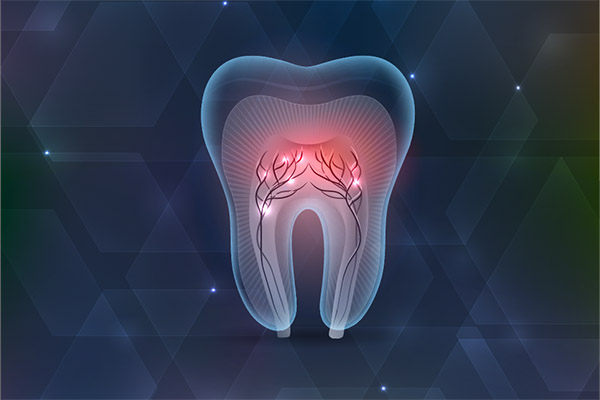
Root canal treatment is performed to prevent and treat infection in a tooth’s pulp. The term “pulp” refers to the soft tissues housed in a tooth’s pulp chamber. This is the innermost layer of a tooth’s crown, and it is sealed off from the rest of a tooth to prevent oral bacteria and the acids they make from making contact with it.
A tooth’s pulp chamber might be opened up due to severe decay or damage to a tooth. This gives oral bacteria access to the soft tissues there, so it is only a matter before infection follows. Root canal treatment can be performed to clean out the pulp chamber and seal it back up, preventing and treating infection.
What to expect after root canal treatment
Root canal therapy typically takes about an hour to complete per tooth. The procedure starts with a local anesthetic injected around the affected tooth. The anesthetic numbs the area, so the patient does not feel pain as the dentist works.
A hole is made to reach the pulp chamber, and dental files are used to remove the soft tissues in the pulp. Medication is inserted into the tooth, and a material called gutta-percha is used to seal the tooth. It can then be rebuilt with composite bonding, or a crown can be placed to protect it. The tooth’s location often determines the dentist's approach. Teeth in the back of the mouth are often covered with crowns after root canals since they handle great bite forces, while front teeth can be restored with composites.
Recovery
Despite the many stories floating around about root canals being one of the most painful dental treatments a person can get, patients do not feel significant pain during the procedure, thanks to local anesthetics.
Patients do not experience much pain after the procedure either since there is no recovery period. Once the local anesthetic wears off, some patients might experience discomfort from their tooth being sore from the procedure. The pain can be managed with over-the-counter painkillers, and it should go away within 72 hours. Any pain beyond that point might be a sign of a complication and requires immediate dental treatment.
The restored tooth should be fully healed in about a week if the tooth is not irritated. Simple things patients can do to make their recovery go smoother include:
- Stay away from hard and chewy foods for the first few days after getting a root canal.
- Use over-the-counter painkillers to alleviate any discomfort.
- Practice good oral hygiene to avoid needing more root canals in the future.
- Avoid extremely hot or cold foods and beverages for the first few days after the procedure.
A root canal can save your tooth
Root canal therapy allows dentists to save infected, decayed, or damaged teeth. It helps to prevent infection and potentially needing to extract the tooth in the future. Think you might need a root canal? Give us a call or visit our San Antonio clinic to set up an appointment with our dentist.
Request an appointment or call All Smiles Dental Center at 210-714-7429 for an appointment in our San Antonio office.
Recent Posts
Root canal treatment is often the last course of action to save teeth that have been severely damaged or infected. A tooth might become damaged due to trauma to the face or tooth decay destroying its structures.The procedure has a bad reputation as one of the most painful treatments performed by dentists, but patients usually…
Decaying teeth do not ever stop decaying without treatment. A root canal treatment becomes necessary to save the tooth, especially as an infected tooth can lead to significant pain. Treatment is painless. The only discomfort you will feel is at the end after the dentist finishes the treatment.From local anesthesia to dental dams, it is…
Root canal treatment is a common dental procedure performed to save a damaged, decayed, or infected tooth from becoming lost or causing more concerning symptoms. It is important to understand the causes and warning signs that indicate a possible need for a root canal.The most notable and common causes for root canal treatment are an…