Preventive Dentists: The Cornerstones of Dentistry
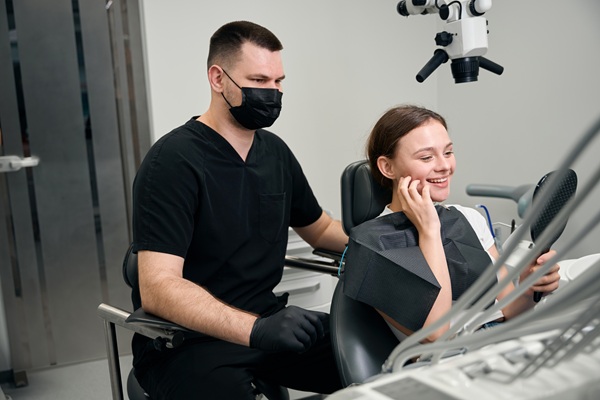
A preventive dentist is a trusted partner in maintaining your oral health and preventing serious dental issues before they occur. This dental professional emphasizes regular care and education, supporting long-term wellness and reducing the need for extensive procedures. As the cornerstone of modern dental care, preventive dentistry underscores early detection, regular visits, and informed patients.
Understanding preventive dentists
A preventive dentist identifies and addresses oral health issues before they worsen and become more complicated to treat. This proactive approach includes:
- Regular dental exams
- Professional cleanings
- Diagnostic imaging
- Fluoride treatments
- Dental sealants
- Oral cancer screenings
Preventive dental services help detect signs of tooth decay, gum disease, and other oral health concerns at their earliest stages. A preventive dentist builds strong patient relationships and monitors oral health to recognize patterns and make informed decisions. Each dental care plan is developed based on the individual's oral hygiene habits, risk factors, and their medical and family history. This level of care allows the dentist to diagnose and treat minor problems as soon as possible, which can help patients avoid complex and expensive treatments in the future.
Common services in preventive dentistry
Preventive dentistry includes a wide range of services that work together to preserve oral health. The following are some of the most common preventive dental services.
Routine dental exams
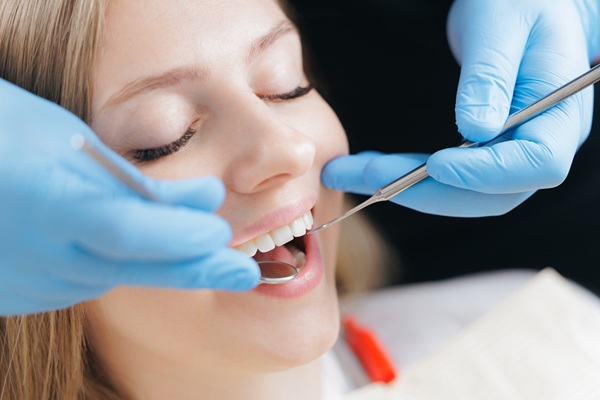
Preventive dentists perform thorough dental examinations every six months or at least twice a year. These check-ups allow the dentist to monitor the patient's teeth, gums, and jaw structure. Through these exams, they can detect cavities, gum disease, and other oral health issues in their earliest stages, which can reduce the need for invasive treatments.
Professional dental cleanings
Even with consistent brushing and flossing, plaque and tartar can accumulate in hard-to-reach areas. Professional cleanings performed by a preventive dentist or dental hygienist remove this buildup, lowering the risk of tooth decay and periodontal disease.
Fluoride treatments
Fluoride helps strengthen tooth enamel and provides resistance against acidic attacks that lead to cavities. Fluoride treatments, especially for young patients or those at high risk of decay, are a standard component of preventive dental care.
Dental sealants
Sealants are protective coatings that dentists apply to the chewing surfaces of the patient's molars. These areas are prone to decay, particularly for young patients who are learning how to care for their teeth. Dental sealants provide a physical barrier against food debris and bacteria.
Digital x-rays and imaging
Advanced imaging techniques allow a preventive dentist to view detailed structures that the naked human eye cannot detect. X-rays help identify problems such as impacted teeth, bone loss, or hidden tooth decay.
Preventive dentistry across different stages of life
Preventive care evolves with age, and a preventive dentist tailors services to meet the needs of each life stage. For example, the foundation of oral health is built early in a person's life. Preventive dentistry for young patients often includes fluoride applications, sealants, and education for them and their parents. Additionally, the dentist can monitor the young patient's oral development and determine whether they may need orthodontic intervention as their permanent teeth come in.
As the patient ages into adulthood, they will benefit more from regular dental visits and cleanings. The dentist will monitor them for signs of gum disease or wear and tear from teeth clenching and grinding. They also perform oral cancer screenings and help patients manage systemic health conditions that affect oral health, such as diabetes.
In the final stage of life, older adults face unique challenges, such as dry mouth, losing multiple teeth, and difficulty maintaining their oral hygiene through traditional tools. Working with a preventive dentist can help seniors manage these issues with strategies personalized to their needs and regular evaluations. The dentist can also recommend products that can make it easier for older adults to manage their oral health at home, such as interdental brushes and water flossers.
Patient education and empowerment
A key part of a preventive dentist's role is teaching patients about their oral health and giving them the tools they need to achieve it. Patients learn how to brush and floss their teeth correctly and how to use antimicrobial mouth rinses. The dentist also informs their patients how food and drink choices can affect oral health, such as consuming too much sugary soda and energy drinks or acidic fruits. Additionally, the preventive dentist can help their patients have a deeper understanding of how daily habits influence their long-term oral health, such as quitting smoking and wearing a mouthguard during contact sports.
Schedule an appointment at our San Antonio office
Preventive dentists provide effective and foundational services that lead to long-lasting oral health. These treatments reduce the need for invasive procedures and contribute to a lifetime of bright and healthy teeth. Would you like to learn more about All Smiles Dental Center 's preventive services? Call our San Antonio office to talk to our team and schedule your next appointment.
Request an appointment here: https://www.allsmilesdentalcenter.com or call All Smiles Dental Center at (210) 714-7429 for an appointment in our San Antonio office.
Check out what others are saying about our dental services on Yelp: Preventive Dentist in San Antonio, TX.
Recent Posts
Fluoride is an all-around defense for your teeth, gums, and whole mouth. This is why many towns add the mineral to drinking water as a matter of public health. Dentists also use fluoride treatments to protect their patients’ teeth from tooth decay.Read on for a brief walkthrough of how fluoride protects the teeth at a…
Preventative dental care such as visiting the dentist is a huge cause of anxiety and stress in many patients. The thought of being in the examination chair and hearing the tools and possible irritation of your teeth and gums can be quite upsetting. However, going to the dentist regularly will eliminate those concerns as you…
Part of preventative dental care is not only regularly maintaining your dental routine at home but also visiting your dentist twice a year. During this visit, they will look at the condition of your teeth and gums. Things they look out for are any sensitivities, bleeding, soft spots, or areas where bacteria are more likely…
Preventative dental care is significant because the dentist can quickly detect, diagnose, and treat dental problems in the first stage. Even if the dental problem is not noticeable, the dentist can do a simple examination to find signs of dental disease.Once it becomes more serious dental disease, it may not heal naturally. In addition, repeated…