How Serious Is a Broken Tooth?
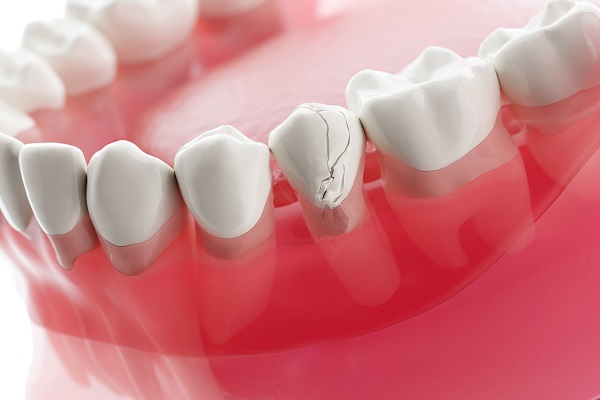
A broken tooth might not seem like a big deal if it is only a minor break, but it still requires treatment. This is because broken teeth cause more damage than simply ruining the appearance of a person’s smile. The damage typically removes portions of the outer surface of teeth, called enamel, which protects the more delicate parts of the tooth. Enamel is the strongest part of the body, so not having it there to protect teeth leaves them more vulnerable to issues like tooth decay and infection.
Some broken teeth become so damaged emergency dental care is needed to provide pain relief and prevent infection. Any damage that leads to the pulp chamber (which houses a tooth’s blood vessels and nerves) becoming compromised typically counts as a dental emergency.
Dealing with a broken tooth
Here are a few factors that can lead to a broken tooth.
- Tooth decay: Tooth decay is caused by acids created by bacteria that live in the mouth; these germs convert sugars in food particles into acids, which eat away at teeth structures, and teeth weakened by tooth decay have a higher risk of breaking.
- Poor diet: Teeth can also weaken by a person’s diet; habits like consuming excess sugary foods and beverages or eating hard foods can weaken teeth structures or cause them to break.
- Bite issues: Teeth that do not come together are more likely to break because the poor bite puts additional stress on some teeth.
- Trauma: Getting hit in the face is another common way that people end up with a broken tooth; it can result from an accident, a slip, or contact from physical activities, so wearing protective gear like a mouthguard can help reduce the risk of teeth becoming damaged.
- Teeth grinding: Habits like teeth grinding lead to the teeth being exposed to excessive bite forces as a person sleeps, which weakens them and can cause them to break.
Broken teeth can be classified into several categories to indicate their severity. Common classifications used by dentists include the following.
1. Chipped tooth
A chip refers to a minor break that typically only affects the outer layers of a tooth. Such injuries can be fixed with non-invasive treatments, such as composite bonding or enamel reshaping. Chipped teeth do not usually require emergency care, but they should be treated as soon as possible.
2. Craze line break
Craze lines refer to minor cracks that only affect the outer layer of a tooth. Such damage can typically be fixed by polishing the tooth.
3. Cusp Break
A cusp break refers to damage that affects a tooth’s biting surface. Failing to fix such damage can lead to other parts of the tooth, such as the roots, becoming damaged.
4. Severe break
A break is classified as severe when it leaves the pulp chamber compromised. It typically requires root canal therapy and a crown to address.
Treatments for a broken tooth
Each patient's viable treatment options vary depending on the type of injury or damage and their current health status. However, in most cases, broken teeth require dental restoration. There are a variety of dental restorations for damaged, worn down, or broken teeth, including:
- Fillings: amalgam (silver), composite, acrylic, porcelain
- Crowns: tooth-colored caps that cover or replace missing and damaged teeth
- Composite Bonding: composite material bonded to a broken or chipped tooth
- Veneers: tooth-colored porcelain shells attached to the front of a broken or otherwise damaged tooth
Whether or not dental restorations are right for a patient is decided on a case-by-case basis. Our team will consider numerous factors, such as the type, location, and extent of the damage. In most cases, however, direct dental restorations are adequate treatments for anyone with localized dental problems such as cavities. Those with inadequate tooth structure or extensive damage may require an indirect restoration.
Care and maintenance
Dental restorations require ongoing care and maintenance in order to keep them functioning as normal teeth and can typically last for 10 to 15 years. Care and maintenance recommendations depend on the type of dental restoration. If they are permanent in the mouth, you should brush and floss like natural teeth. Whether you have permanent or temporary dental restorations, it is important to maintain regular dental appointments — at least twice yearly.
Get the treatment you need
Dental restorations can bring your smile back. Whether you have a broken, worn down, chipped, or otherwise damaged tooth, we can discuss your options. Call or visit our San Antonio clinic to set up an appointment with our dentist and fix your broken tooth before it causes other issues.
Request an appointment here: https://www.allsmilesdentalcenter.com or call All Smiles Dental Center at (210) 714-7429 for an appointment in our San Antonio office.
Check out what others are saying about our dental services on Yelp: Broken Tooth in San Antonio, TX.
Recent Posts
Dental implants are a reliable way to replace missing teeth. They can improve how you eat and speak, as well as enhance the appearance of your smile. Choosing the right implant dentist ensures a successful treatment outcome. Here are five essential questions for an implant dentist during your initial consultation.Choosing the right dentist for implants…
Dental implants are a long-term solution for replacing one or more missing teeth. Choosing an implant dentist to administer treatment is an important decision. An experienced dentist can ensure a successful treatment process and long-lasting results. When trying to find an implant dentist to effectively perform this procedure, you should consider the following factors.One of…
Cosmetic dental treatments can bring you closer to the smile of your dreams. The main focus of these services is to enhance the appearance of the smile, which in turn boosts confidence. They can even make oral hygiene and care easier, although that is not the primary purpose. Knowing when it is time to consult…
Dental implants function like natural tooth roots, providing a secure foundation for artificial teeth. An implant dentist follows a structured process to ensure the implant integrates properly with the jawbone, resulting in a functional and natural-looking restoration. Knowing what to expect at each stage of treatment can ease patient concerns and ensure proper preparation.The dental…