Many people question the importance and effectiveness of a routine dental cleaning. To help you understand this preventive treatment, this article covers answers to commonly asked questions about dental cleanings.
What happens during a dental cleaning?
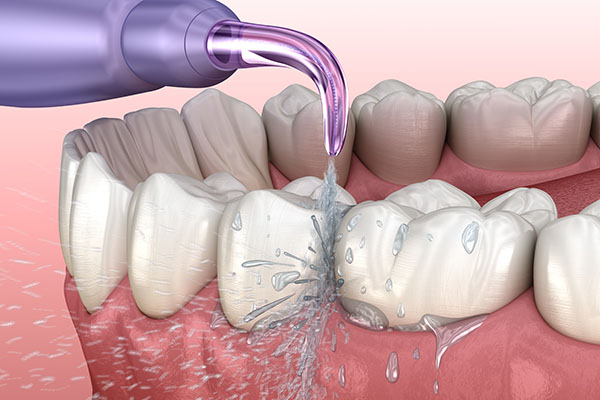
Patients should get clean teeth and fresh breath after the dental cleaning. Cleanings are normally painless and take less than 45 minutes. The dentist will scrub plaque off the teeth and clean and polish the teeth to eliminate bacteria biofilm.
The dentist will brush the patient's teeth after scaling away the plaque. However, it is different from the brushing done at home. They take the same caution and consideration in this step as they do with scaling. They will floss the teeth after brushing to ensure that nothing is left behind. After that, they will most likely apply fluoride to the teeth to prevent cavities.
How frequently should I undergo professional dental cleaning?
According to the American Dental Association, both children and adults should get a professional teeth cleaning and exam biannually. Patients with a history of recurring oral disease or disorder typically need more regular cleanings. Routine dental visits, particularly dental cleanings, help prevent plaque accumulation and make each cleaning simpler with each visit.
What are the best ways to maintain oral hygiene at home?
Patients should brush every morning and before going to bed or after every meal. Regular flossing and rinsing with an antibacterial mouthwash are also recommended. This will help maintain oral health between dental cleanings. Replace the toothbrush every two to three months, and avoid hard-bristled toothbrushes, which can exacerbate tooth irritation and cause bleeding gums. Contact the dentist if pain or something out of the ordinary occurs. Waiting can worsen the problem, and early care is often quicker, less invasive, and less costly.
What are the benefits of a dental cleaning?
Dental cleanings ensure that the teeth and gums are clean and free of oral health issues. Patients can also ultimately save money on potential dental treatments. Untreated gum disease, for example, may necessitate deep cleaning (scaling and root planing), gum grafting, or teeth replacement.
What are the consequences of poor oral hygiene?
Bacteria thrive in the human mouth. Some bacteria are good for oral health, while others are bad. As toxic bacteria build up on the teeth, they produce acids that erode dental enamel and inflame the gums, resulting in tooth decay, periodontal disease, tooth discoloration, and tooth loss. Other oral diseases can emerge due to these conditions. Maintaining proper oral health entails practicing excellent oral hygiene at home and getting regular dental cleanings.
In conclusion
Regular dental cleanings are essential preventive care measures. The dentist can detect developing issues and treat them before they worsen. The procedure is also easier over time because the dentist will have fewer issues to deal with during the appointment. If you have additional questions about dental cleaning or related procedures, you can contact the dental office to schedule a consultation with the dentist.
Request an appointment or call All Smiles Dental Center at 210-714-7429 for an appointment in our San Antonio office.
Recent Posts
A routine dental cleaning plays a critical role in preventing cavities, gum disease, and other oral health concerns. In many cases, patients benefit from two dental cleaning appointments per year. However, certain individuals may require additional cleanings to maintain optimal oral health. A dentist may recommend more frequent visits based on risk factors, existing conditions,…
Professional dental cleaning are integral for keeping your mouth healthy. They remove plaque and tartar (hardened plaque) that regular brushing and flossing cannot, leaving your teeth and gums refreshed. Maintaining healthy habits that keep your smile bright and strong is essential to make the most of a dental cleaning. Caring for your teeth properly after…
A dental exam is performed to determine the condition of the patient’s oral health. The goal is to detect any concerns as early as possible so that they do not worsen or cause other health issues. This article discusses the types of oral issues your dentist may look for during a dental examination and cleaning…