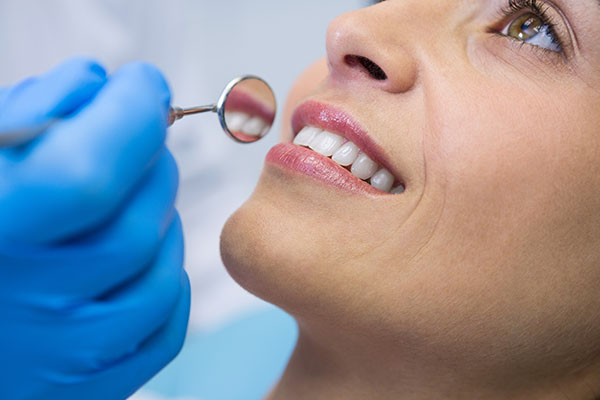
Have a dental cleaning appointment coming up? Read on to learn about what to expect. Every patient may have a unique experience with their dental cleaning depending on the status of their oral health and the preferred process of the dentist or hygienist that performs the cleaning. However, there are certain steps that are to be expected during a dental cleaning.
A step-by-step guide to the dental cleaning process
It is helpful to understand how the dental cleaning process works in order to prepare for the appointment. The most common steps involved with a dental cleaning visit include an oral examination, the removal of plaque and tartar, polishing, and flossing.
Oral examination
The first thing that is likely to occur during a check-up and dental cleaning visit is an oral examination. An oral examination involves a detailed look inside the patient's mouth to look for any oral health concerns that may need to be addressed during the cleaning or with additional treatment. Depending on how long it has been since the patient's last visit, the dentist may also order dental x-rays.
Removal of plaque and tartar
The primary goal of a dental cleaning appointment is to remove the build-up of plaque and tartar on the surface of teeth and along the gum line. This is done with special dental instruments. While the patient may feel the dentist or hygienist at work while they scrape away the plaque and tartar build-up, it should not cause any notable discomfort. The removal of plaque and tartar can help reduce the risk of common oral health concerns such as gum disease and dental cavities.
Polishing
Polishing is often a part of the routine dental cleaning process and takes place after the removal of plaque and tartar through scaling. Polishing teeth essentially makes the surface of teeth smoother without damaging the enamel. This can help prevent the future accumulation of plaque and tartar and reduce the risk of oral health concerns such as cavities from developing between dental visits.
Advanced flossing
The next step in the dental cleaning process is professional flossing. This removes all food particles, plaque, and tartar that develop between teeth. Advanced flossing as a part of a dental cleaning can reduce the risk of issues such as deep gum pockets, periodontal disease, and tooth decay in hard-to-reach areas. After flossing, the dentist or hygienist can rinse the mouth.
Fluoride treatment
If the patient shows signs of weakened enamel that could possibly develop into dental cavities, then the dentist may recommend a fluoride treatment. This can strengthen the bonds of dental enamel and reduce the risk of cavities developing. However, not all patients will need special fluoride treatment after a dental cleaning.
Schedule a dental cleaning today
If you have additional questions about what you can expect during your next dental cleaning visit or need to schedule a cleaning or check-up visit, then contact our dental practice today by phone or message. We are more than happy to answer your questions and schedule a convenient time for your visit.
Request an appointment or call All Smiles Dental Center at 210-714-7429 for an appointment in our San Antonio office.
Recent Posts
Professional dental cleaning are integral for keeping your mouth healthy. They remove plaque and tartar (hardened plaque) that regular brushing and flossing cannot, leaving your teeth and gums refreshed. Maintaining healthy habits that keep your smile bright and strong is essential to make the most of a dental cleaning. Caring for your teeth properly after…
A dental exam is performed to determine the condition of the patient’s oral health. The goal is to detect any concerns as early as possible so that they do not worsen or cause other health issues. This article discusses the types of oral issues your dentist may look for during a dental examination and cleaning…
Many people question the importance and effectiveness of a routine dental cleaning. To help you understand this preventive treatment, this article covers answers to commonly asked questions about dental cleanings.Patients should get clean teeth and fresh breath after the dental cleaning. Cleanings are normally painless and take less than 45 minutes. The dentist will scrub…