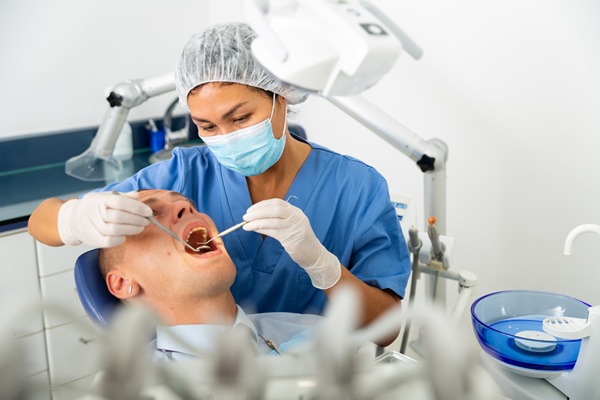
Dental implant restorations offer a permanent solution for anyone with worn or loose teeth, replacing unstable structures with a foundation that restores comfort and function. Tooth wear and looseness often signal deeper health concerns such as advanced gum disease, heavy bite stress, or long-term bone loss. When these issues compromise the stability of a smile, the focus shifts toward preserving healthy tissue and replacing what is no longer reliable.
Step one: Diagnosis and stabilization
The journey toward a stable smile begins with a thorough exam of the gums, bone levels, and existing dental work. Digital imaging helps identify bone loss patterns and hidden fractures that influence how a dentist plans for a new tooth. Measurements of the gum tissue clarify whether infection contributes to the looseness and if a deep cleaning is necessary before moving forward. Stabilization sometimes involves treating active infections or adjusting the bite to reduce stress on vulnerable areas of the mouth.
This initial phase protects the final outcome by ensuring no decisions are rushed. Teeth that feel loose due to temporary inflammation often improve once the dentist controls the infection and removes plaque. However, teeth that suffer from advanced bone loss or a deep root fracture rarely regain their original strength. When preservation is no longer an option, dental implant restorations are the most effective replacement option to protect the neighboring teeth and the jawbone.
Path A: Preserving natural structure
When teeth show signs of wear but remain stable in the jaw, the first goal is to protect the remaining enamel. A dentist often suggests a custom nightguard to cushion the teeth against grinding forces during sleep. Restorations like bonding or crowns rebuild the lost structure and help balance the bite to prevent future chipping. In many instances, small orthodontic adjustments help distribute pressure more evenly across the entire arch.
If looseness is mild and relates only to gum irritation, improved home care and professional cleanings may stabilize the tissue. Splinting sometimes helps reduce movement while the gums heal and become firm again. Consistent monitoring confirms whether the stability improves or if a replacement becomes a safer plan for the future. Keeping natural tooth structure is always a priority when the tooth remains predictable and healthy.
Path B: Replacing unstable teeth
Some teeth remain loose because the supporting bone is too thin or the internal root structure is fractured. In these scenarios, removing the tooth is often the safest way to relieve discomfort and prevent the infection from spreading. Planning for a replacement happens early because the timing of the extraction affects the health of the surrounding bone. Dental implant restorations replace a missing tooth without needing to grind down the healthy teeth next to the gap for support.
The planning phase sometimes includes a bone graft if the area lacks the necessary volume to hold an implant securely. A dentist determines if a graft is necessary to support the long-term stability of the implant and the natural look of the gumline. Temporary options ensure the patient maintains their appearance and ability to eat while the site heals. This staged approach focuses on comfort while the mouth prepares for the final, permanent tooth.
The pathway to dental implant restoration
The process of receiving an implant usually involves a placement step, a healing period known as osseointegration, and the attachment of the final restoration. The implant itself acts as a new root, while the visible crown, bridge, or denture completes the look and function of the smile. Once the implant is secure in the bone, the new tooth is attached and adjusted for a perfect bite.
The design of the new tooth also accounts for the specific forces of the patient's bite. Those with a history of clenching often receive reinforced materials to reduce the risk of chipping the ceramic. That is why every contact point is adjusted to prevent food from trapping between the teeth and to keep the gums easy to clean.
Schedule an appointment
Worn or loose teeth require an accurate diagnosis because the best treatment depends on whether the dentist can save a tooth or provide a complete replacement. Tooth-preserving methods work well when the bone support is strong, while a replacement is appropriate when a tooth is no longer stable. Dental implant restorations offer a predictable way to rebuild a smile without affecting the health of the neighboring teeth. For more information or to schedule an appointment, contact All Smiles Dental Center.
Request an appointment here: https://www.allsmilesdentalcenter.com or call All Smiles Dental Center at (210) 714-7429 for an appointment in our San Antonio office.
Check out what others are saying about our dental services on Yelp: Implant Restorations in San Antonio, TX.
Recent Posts
An implant dentist replaces missing teeth with durable, natural-looking dental implants. This advanced restorative treatment helps patients regain confidence in their smiles while improving oral function and long-term dental health. Whether replacing a single tooth or restoring multiple missing teeth, an implant dentist provides customized solutions to achieve a strong, stable, and aesthetically pleasing result.Dental…
Dental implants restore a smile no matter how many teeth are missing. Along with plentiful benefits, they also require minimal lifestyle changes. However, an implant dentist can guide patients in promoting the longevity of implants so that they remain a practical and reliable tooth replacement option.Dental implants represent an improvement in quality of life rather…
An implant dentist provides specialized expertise to restore oral function and promote long-term dental health after dental implants become compromised. Everyone deserves a full, healthy smile, which is why understanding the importance of prompt, professional care is essential when implants sustain damage. Delaying treatment can lead to further complications, including infection and bone loss. Here…
When tooth loss occurs, simple tasks such as chewing and speaking may be difficult, and the appearance of a smile can be affected. An implant dentist uses dental implants to address these issues, as the restorations integrate directly with the jawbone, creating a long-lasting foundation for replacement teeth. The process not only restores the look…