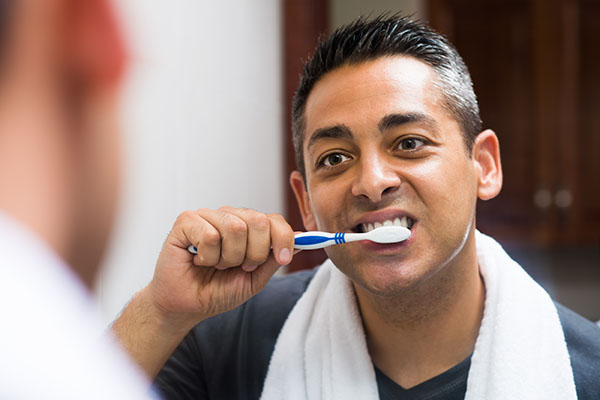
Dentists perform dental cleaning to prevent problems like tooth decay and gum disease. A dental cleaning procedure is more intensive than your daily oral hygiene routine.
Read on to find out why aftercare is necessary after a dental cleaning. The following also explains how to care for your teeth after professional teeth cleaning.
Why aftercare is necessary after dental cleaning
Dentists advise their patients to be gentle when they brush their teeth. They also advise the use of a toothbrush with flexible bristles. The idea is to prevent tooth sensitivity, erosion of the enamel, and injury to the gums.
A dentist will have the same considerations when they clean the patient’s teeth. As a precaution, the dentist will first perform an exhaustive exam that screens for different types of oral health problems. They will then proceed with teeth cleaning.
The dentist will need to use a scaler to remove plaque and tartar. Vibration from the electric scaler may cause temporary tooth sensitivity. Next, the dentist will polish the teeth with gritty toothpaste and an electric brush, which could also cause temporary tooth sensitivity. Lastly, the dentist will floss between the patient’s teeth. This action could cause soreness and slight bleeding of the gums, especially for those who do not floss at home. The dentist will conclude the cleaning with an application of topical fluoride and dental sealant.
The effects of these steps warrant aftercare that provides relief from tooth sensitivity. Here is how to care for the teeth after a dental cleaning.
1. Manage discomfort
The dentist may advise their patient to take over-the-counter pain medication before and after the teeth cleaning procedure. They might also apply topical anesthetic to the gums before they clean the patient’s teeth.
2. Watch the diet
Patients should limit their diet to soft foods for 24 hours following a deep clean of the teeth. If the sensitivity persists past the first 24 hours, stick with soft foods for 48 hours.
It also helps to avoid hot foods, which will cause discomfort and dissolve the topical fluoride before it bonds to the enamel. Lastly, avoid popcorn and other crunchy foods that could irritate the gums. Do not consume these kinds of foods for at least a few days after getting teeth cleaned.
3. Practice good oral hygiene
Use a toothbrush with soft bristles to gently brush the teeth after meals. It is okay to skip flossing in the first 24 hours after a deep clean. Resume flossing as soon as the tenderness in the gums subsides. This should happen within 48 hours.
4. Adopt healthy oral habits
To make the most out of a deep teeth cleaning, make it a point to minimize or moderate the intake of sugar, refined carbohydrates, alcohol, and fizzy drinks. Smokers should make efforts to break the habit. Last but not least, stick to a strict oral hygiene routine that involves brushing twice a day and flossing once.
Enjoy your smile
Regular and professional dental cleanings go a long way when it comes to keeping your mouth healthy. Our practice offers preventative and restorative dental care that ensures every aspect of your oral health. If you want your teeth to last a lifetime, make plans to meet with our dentist.
Request an appointment or call All Smiles Dental Center at 210-714-7429 for an appointment in our San Antonio office.
Recent Posts
A routine dental cleaning plays a critical role in preventing cavities, gum disease, and other oral health concerns. In many cases, patients benefit from two dental cleaning appointments per year. However, certain individuals may require additional cleanings to maintain optimal oral health. A dentist may recommend more frequent visits based on risk factors, existing conditions,…
Professional dental cleaning are integral for keeping your mouth healthy. They remove plaque and tartar (hardened plaque) that regular brushing and flossing cannot, leaving your teeth and gums refreshed. Maintaining healthy habits that keep your smile bright and strong is essential to make the most of a dental cleaning. Caring for your teeth properly after…
A dental exam is performed to determine the condition of the patient’s oral health. The goal is to detect any concerns as early as possible so that they do not worsen or cause other health issues. This article discusses the types of oral issues your dentist may look for during a dental examination and cleaning…