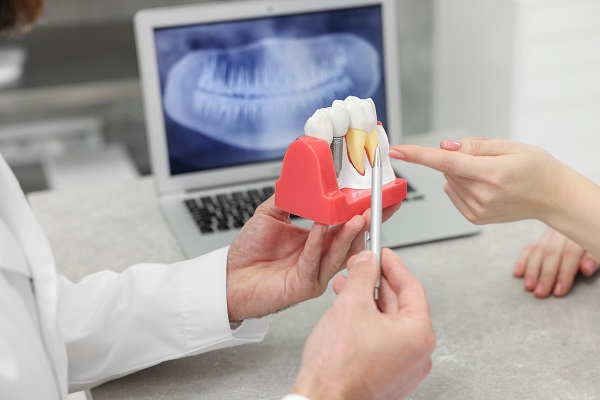
Considering an implant dentistry procedure? Read on to learn more about this type of restoration. With implant dentistry, replacing missing teeth has never been easier, and these restorations are generally indistinguishable from natural teeth. Dentists are often asked about how implant dentistry works. Due to the innovative structure of dental implant restorations, they are far stronger and more stable than more traditional restorations such as a fixed dental bridge.
Implant dentistry: a strong and stable dental restoration solution
Implant dentistry, which involves the use of dental implants to support replacement teeth, is growing in popularity and is available to more patients than ever before. The following review discusses implant dentistry, highlighting why an implant can be so strong and stable.
Reviewing the strength and stability of dental implants
Dental implants are made of titanium, which is quite strong and resistant to damage. In addition, the titanium implant fuses together with the bone inside of the jaw, providing a natural and durable hold for the chosen dental restoration (crown, bridge, or full-arch restoration). In fact, it is not uncommon for a dental implant to last for more than 20 years if the patient cares for their teeth and gums properly.
Why dental implants are so strong and durable
As mentioned above, dental implants are made of a strong and durable titanium metal material that is incredibly resistant to damage. More notably, they fuse together with the jawbone through a process called osseointegration. This reinforces their strength and makes them even stronger and more stable. Due to the superior strength of dental implants, complications are incredibly rare, and more than 95% of dental implants patients have successful treatment (American Association of Oral and Maxillofacial Surgeons).
Additional benefits of implant dentistry
In addition to the longevity of dental implants, another notable benefit of implant dentistry is that dental implants are able to preserve the density of the jawbone, which is not the case with alternative solutions such as removable dentures. In addition, implant restorations are non-removable and not at notable risk of coming loose. Due to the strength and stability of dental implants, patients are able to eat their favorite foods without fear of their restoration coming loose. Implant restorations also look indistinguishable from natural teeth and offer optimal aesthetic benefits.
The types of implant dentistry options
Implant dentistry can address a range of tooth replacement concerns. Whether you need to replace a single missing tooth or an entire row, dental implant restorations can meet your needs. The three common types of implant dentistry are implant-supported dental crowns, implant-supported bridges, and All-on-X implants for full-arch restoration.
How do implants compare to non-implant solutions?
There are three common methods for replacing missing teeth, which are implant restorations, fixed dental bridges, and removable dentures. Fixed dental bridges, which involve the attachment of a dental crown to abutment teeth (rather than dental implants) require a less invasive process than implant restorations; removable dentures require even less of an invasive process. However, non-implant restorations are not as durable and stable, resulting in shorter longevity and a higher risk of coming loose or falling out at an inopportune time.
How to get the most out of your dental implant restoration
Dental implant restorations are easy to care for. To get the most out of them, be sure to brush regularly, limit (or avoid) foods, drinks, and drugs that could damage the gums, natural teeth, and restorations, and visit the dentist for all scheduled check-ups and dental cleanings. It is also important to reduce the risk of dental trauma as much as possible. This is especially important for individuals who play contact sports, have a dangerous occupation, and/or have dealt with bruxism (teeth grinding at night) in the past. With proper care, your dental implant restorations should last for more than a decade.
Ready to schedule your appointment?
The strength and durability of titanium dental implants, along with the fusion between the implants and the jawbone, create a strong and long-term hold for replacement teeth. Here at our dental practice, we offer implant dentistry services, and we take pride in assisting our patients through every step of the treatment process, from the consultation visit to providing aftercare after treatment is complete. To learn more and to start the implant dentistry treatment process, call us or send us a message today.
Request an appointment here: https://www.allsmilesdentalcenter.com or call All Smiles Dental Center at (210) 714-7429 for an appointment in our San Antonio office.
Check out what others are saying about our dental services on Yelp: Implant Dentistry in San Antonio, TX.
Recent Posts
Dental implants are a reliable way to replace missing teeth. They can improve how you eat and speak, as well as enhance the appearance of your smile. Choosing the right implant dentist ensures a successful treatment outcome. Here are five essential questions for an implant dentist during your initial consultation.Choosing the right dentist for implants…
Dental implants are a long-term solution for replacing one or more missing teeth. Choosing an implant dentist to administer treatment is an important decision. An experienced dentist can ensure a successful treatment process and long-lasting results. When trying to find an implant dentist to effectively perform this procedure, you should consider the following factors.One of…
Dental implants function like natural tooth roots, providing a secure foundation for artificial teeth. An implant dentist follows a structured process to ensure the implant integrates properly with the jawbone, resulting in a functional and natural-looking restoration. Knowing what to expect at each stage of treatment can ease patient concerns and ensure proper preparation.The dental…
Getting dental implants is a big step, and finding the right implant dentist is an important part of the process. Understanding what to expect before, during, and after the procedure can make the journey easier. Therefore, asking the right questions can help ensure the best outcome and a smooth experience.Not everyone is a good candidate…