3 Signs A Patient May Benefit from Dental Bonding
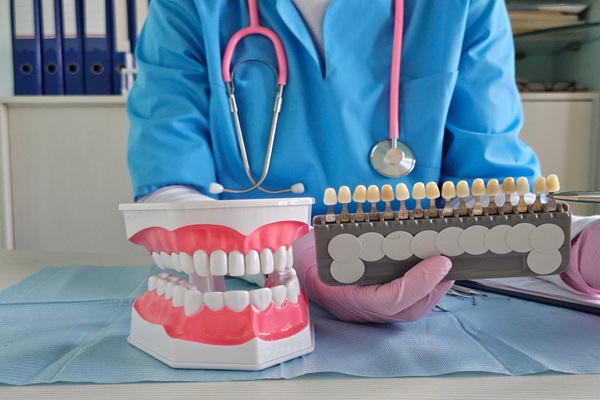
Dental bonding is a versatile and effective cosmetic dental procedure that addresses a range of aesthetic and functional concerns. By using a tooth-colored resin material, dental bonding can enhance the appearance of teeth, repair minor damage, and restore confidence in a smile. Identifying the signs that indicate a patient may benefit from dental bonding helps individuals make informed decisions about their dental care. Here are three signs to watch out for:
1. Minor chips or cracks in teeth
One of the most common reasons patients seek dental bonding is to repair minor chips or cracks in their teeth. Accidents, chewing on hard objects, or grinding teeth can cause small fractures or damage that can impact a tooth's appearance and functionality.
Dental bonding effectively restores the structure of chipped or cracked teeth by applying a durable resin material directly to the affected area. The material is shaped and polished to blend seamlessly with the surrounding teeth, making the repair virtually invisible. In addition to improving aesthetics, bonding also protects the tooth from further damage by reinforcing its structure.
Patients with small chips or cracks should seek prompt treatment, as even minor damage can worsen over time if left unaddressed. Dental bonding provides a cost-effective and minimally invasive solution to preserve the health and appearance of a damaged tooth.
2. Discoloration or stains that resist whitening
While professional teeth whitening is effective for many types of stains, certain discoloration may not respond to traditional whitening treatments. Intrinsic stains caused by factors such as medication, excessive fluoride exposure, or trauma to the tooth can leave lasting discoloration that affects the overall appearance of a smile.
In these cases, dental bonding offers an excellent alternative. The resin material used in bonding can be custom-matched to the patient’s natural tooth color, allowing the dentist to cover stains and create a uniform appearance. Bonding provides immediate results, making it an appealing option for patients seeking a quick and effective cosmetic solution.
Unlike veneers, which require more extensive tooth preparation, dental bonding is a minimally invasive procedure that preserves the natural enamel. It is ideal for patients who want to address discoloration without committing to more complex restorative treatments.
3. Gaps or irregularly shaped teeth
Patients with small gaps between their teeth or irregularly shaped teeth often feel self-conscious about their smiles. These issues can result from natural variations in tooth alignment or shape, and while they may not pose a health risk, they can impact confidence.
Dental bonding is a simple and effective way to address these cosmetic concerns. By applying and sculpting resin material, the dentist can close gaps, reshape teeth, and improve symmetry in the smile. Bonding is particularly useful for minor corrections, as it avoids the need for orthodontic treatments or extensive dental work.
This procedure is often completed in a single visit, allowing patients to enjoy an improved smile without significant time or financial investment. The results are durable, natural-looking, and tailored to meet the patient’s aesthetic goals.
Advantages of dental bonding
Dental bonding offers several advantages for patients seeking cosmetic or restorative improvements:
- Cost-effective. Bonding is one of the most affordable cosmetic dental treatments.
- Customizable. The resin material matches the patient’s natural tooth color for seamless results.
- Minimally invasive. The procedure requires minimal removal of natural tooth structure.
- Quick results. Most bonding procedures can be completed in a single visit.
- Versatile. Bonding addresses a variety of concerns, including damage, discoloration, and gaps.
Caring for bonded teeth
Proper care is essential to maintain the appearance and durability of bonded teeth. Patients should practice good oral hygiene by brushing twice daily, flossing, and attending regular dental checkups. It is also important to avoid habits that may damage the bonded area, such as biting on hard objects or using teeth to open any packaging.
While the resin material used in dental bonding is durable, it is not as strong as natural enamel or materials like porcelain. Patients should be mindful of their eating and chewing habits to ensure the longevity of their bonding.
Get a dental bonding consultation today
Dental bonding is a versatile and effective solution for enhancing the appearance of a smile and addressing minor dental concerns. Patients with chipped or cracked teeth, stubborn discoloration, or gaps between teeth can benefit from this minimally invasive treatment. By consulting with a trusted dentist, patients can determine whether bonding is the right option to achieve their aesthetic and functional goals. With proper care and maintenance, dental bonding provides long-lasting results that restore confidence and improve overall oral health. For more information, schedule a consultation visit today at All Smiles Dental Center.
To schedule a consultation, request an appointment on our website at https://www.allsmilesdentalcenter.com or call All Smiles Dental Center at (210) 714-7429 for an appointment in our San Antonio office.
Check out what others are saying about our dental services on Yelp: Dental Bonding in San Antonio, TX.
Recent Posts
Dental bonding is a versatile and minimally invasive cosmetic procedure that can address various dental imperfections. This procedure, involving the application of a tooth-colored resin to restore or enhance teeth, offers patients a simple and cost-effective solution for achieving a brighter, more uniform smile. Dental bonding is ideal for repairing minor dental flaws without extensive…
Dental bonding is one of the most versatile and minimally invasive restorative and cosmetic dental procedures. Dental bonding is the go-to procedure for many patients looking to fix imperfections or enhance their smile, from enhancing the appearance and shape of teeth to repairing damaged enamel. Whether you are new to cosmetic dentistry or considering touch-ups…
If you are looking to make improvements to your smile, you may want to consider dental bonding. This cosmetic dentistry procedure uses a composite resin material to make repairs to teeth and enhance the appearance of a person's smile. Bonding can be used to correct various cosmetic issues, including chips, gaps, discoloration, and even misshapen…
There are some cases where a stained or chipped tooth can be fixed with dental bonding or contouring. While these issues can be more severe and so require a different solution, something like an uneven edge or unsightly spot can often be treated without more invasive procedures that can affect the entire mouth.This procedure enhances…