Oral Issues Your Dentist Looks for During a Dental Exam

A dental exam is performed to determine the condition of the patient’s oral health. The goal is to detect any concerns as early as possible so that they do not worsen or cause other health issues. This article discusses the types of oral issues your dentist may look for during a dental examination and cleaning visit.
What does a dentist look for during a dental exam?
During a dental exam, your dentist will first look for signs of cavities, gum disease, impacted teeth, bruxism, and oral cancer. They may check for other concerns as well according to the patient’s specific goals and reason for the visit. For example, a dentist may evaluate the spacing of the patient’s teeth if the patient wants to address tooth gaps. Every visit is personalized according to the patient’s individual needs and goals.
Cavities
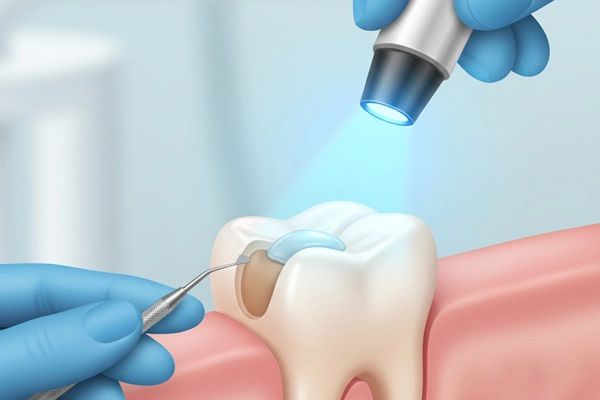
Cavities are one of the most common oral issues that patients have. Consequently, it is one of the first things that a dentist will check for during a dental exam. They can thoroughly examine every part of each tooth with special dental instruments, and they can make a note if there are any cavities or issues of weakened enamel. The most notable signs of weakened enamel or cavities are a discoloration of the dental enamel (the outermost layer of teeth), tiny holes in teeth, and tooth sensitivity.
Gum disease
Gum disease is also very common, affecting nearly half of the population in the United States (Centers for Disease Control). The signs of gum disease include gum swelling, gum discoloration, and sensitive gums. There are two different types of gum disease, which are gingivitis and periodontitis. Gingivitis is less severe, whereas periodontitis may show more severe symptoms such as gum recession, deep gum pockets, and the eventual loosening and loss of teeth.
Impacted teeth
Impacted teeth, which are teeth that do not emerge entirely through the gums, can increase the risk of certain oral issues such as an oral infection. Most notably, wisdom teeth (third molars) are the most vulnerable to becoming impacted.
Bruxism
Bruxism, also called nighttime teeth grinding, affects millions of Americans and can have a highly detrimental impact on oral health overall. Specifically, bruxism can lead to teeth appearing worn-down, severely damaged, and short. If a dentist detects signs of bruxism during a dental exam, then they may recommend a nightguard.
Oral cancer
Oral cancer screenings are encouraged for individuals at high risk, but a dentist can also assess for some oral cancer symptoms during a dental exam. If there are any causes for concern, then they may recommend a more extensive oral cancer screening to determine if the issue is cancer or another concern.
Cosmetic concerns
The patient may have specific cosmetic concerns that they want the dentist to check. In other cases, they may simply notice a concern that the patient may wish to address. Types of cosmetic concerns that are often detected during a dental exam include tooth stains, misaligned teeth, and gaps between teeth.
When is a dental exam recommended?
Dental exams are recommended routinely to help prevent the development of oral issues. Most dental professionals recommend a dental exam once every four to six months (two or three times a year). More frequent visits may be necessary for individuals who are going through restorative care to improve their oral health and smile. The dentist can also provide insights on how to care for your smile between check-up visits.
What are the benefits of a dental exam?
The purpose of a dental exam is to help the patient maintain optimal oral health long-term. Your dentist is able to detect the early signs of oral issues and help prevent them from worsening. This offers cost-saving benefits by avoiding the need for more costly (and invasive) restorative procedures. A dental exam can also help maintain a beautiful smile that is free from tooth stains, as well. As mentioned, most dental exams include the removal of plaque and tartar from teeth. This is in addition to the option for professional, in-office teeth whitening periodically.
Ready to schedule a dental exam?
You can schedule a dental exam here at our dental practice by contacting us today. We are more than happy to answer your questions, address your concerns, and put together a treatment plan to help you reach your goals during your first dental exam and consultation visit.
Request an appointment here: https://www.allsmilesdentalcenter.com or call All Smiles Dental Center at (210) 714-7429 for an appointment in our San Antonio office.
Check out what others are saying about our services on Yelp: Dental Exam in San Antonio, TX.
Recent Posts
While damaging a dental filling can be painful and problematic, it is also manageable with the right steps. A dental filling can restore the structure of a tooth after decay or minor damage. However, fillings can sometimes chip, crack, or even fall out due to daily wear, biting on hard foods, or unexpected trauma. Proper…
Trying to find a dentist can be daunting. But with the right help, it becomes an easily surmountable challenge. From websites and reviews online, to phone contact and visits in person, you can find the information needed to find a dentist. With ever-improving technology, dental care continues to advance rapidly. You can learn in advance…
No one ever plans for dental emergencies like infections, but an emergency dentist can be your first line of defense against oral bacteria looking to infect teeth, gum tissues, or your jawbone.Dental infections always require emergency dental care to prevent the infection from spreading to other parts of the body, such as the heart, where…
Wondering about the importance of aftercare following an emergency dentist visit? Read on to learn more. No one wants to end up at the emergency dentist, but if you do, understand that the process of treating the issue does not end when you leave the office. Emergency dental care is meant to stabilize a condition,…