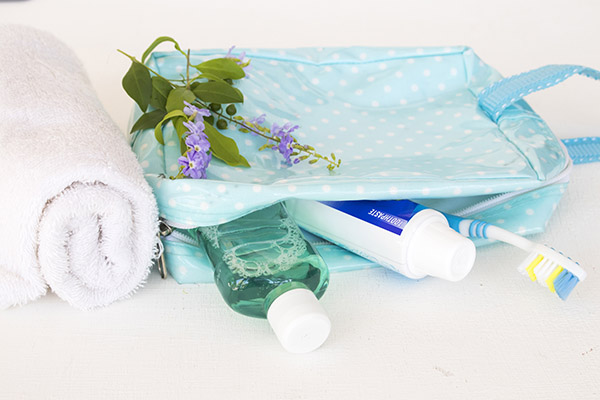
 Tooth decay happens when the enamel, or tooth surface, is damaged. You can use oral hygiene basics to prevent it. However, tooth decay is still one of the most common health problems in the world. The CDC reports that in the United States alone, more than 90% of adults have had cavities.
What causes tooth decay?
Everyone has bacteria in the mouth. Some of it is good, but harmful bacteria feed on the sugar and starch you eat. Together, the bacteria and food form plaque, a sticky film on your teeth. The acids that bacteria produce eat away at tooth enamel, leading to cavities.
Anyone who has teeth is at risk for tooth decay. However, several factors can exacerbate it.
Frequent snacks or sugar-containing drinks
Snacking or sipping on sugary foods and drinks gives a steady fuel supply to the decay-causing bacteria that harm your teeth. Foods that cling to your teeth can cause decay, including hard candy, cakes and cookies, milk products, honey, and chips. Acidic drinks also wear down tooth enamel.
Inadequate brushing and flossing
Oral hygiene basics go a long way in preventing tooth decay. Plaque can begin to form almost immediately after eating; brushing after each meal removes plaque and daily flossing cleans between teeth.
Dry mouth
A lack of saliva in the mouth can lead to decay. Saliva washes away some of the food, plaque and acid in the mouth. Dry mouth can happen due to some medications, radiation to the head and neck, and certain chemotherapy drugs.
Eating disorders
Stomach acid from repeated vomiting can wear away tooth enamel, putting people with anorexia or bulimia at risk for tooth decay. These disorders can also impede saliva production.
How is tooth decay prevented?
Good oral hygiene basics can help you prevent tooth decay. Ask your dentist about the best dental care for your situation, but you can start with these tips.
Brush with fluoride toothpaste after eating and drinking
Brush your teeth after every meal if you can. If this is not possible, brush at least twice a day. Use a toothpaste containing fluoride, a mineral that significantly reduces tooth decay. Floss between teeth daily.
Get regular checkups
Visit your dentist regularly for an oral examination and professional cleaning. If you have signs of tooth decay, your dental health professionals can spot them and treat them before bigger problems set in. Your dentist can recommend the best examination schedule for you.
Drink tap water
Most bottled water does not contain fluoride. Public water sources have added fluoride that can help keep your teeth healthy. If you cannot get an adequate amount of fluoride, your dentist may recommend supplements or treatments.
Eat fruits and vegetables
Fresh fruits and vegetables increase saliva flow in your mouth, helping to rinse away bacteria and plaque. Unsweetened beverages can also help.
Conclusion
While anyone who has teeth is at risk for tooth decay, oral hygiene basics can help you prevent it. Ask your dentist about the best oral care routine for you.
Request an appointment or call All Smiles Dental Center at 210-714-7429 for an appointment in our San Antonio office.
Recent Posts
The oral hygiene basics that you need to practice to keep your teeth looking clean and your breath fresh will also protect your teeth from cavities. Good cleaning habits and consistency about your oral care regimen can spare teeth from the damage and decay that causes cavities to form. Here are a few key practices…
What are the best ways to care for your teeth? Here are some oral hygiene basics.Your teeth are essential to both comfort and health. For example, they are center stage when you smile and break up food when you eat. If you want to keep them sparkly and effective, you need to take good care…
Most adults believe they have a good understanding of oral hygiene basics but may not use the proper techniques. To safeguard your oral health and protect your smile long-term, it is important to know the dentist-recommended best practices.Oral hygiene basics begin with clean teeth, but this involves more than a quick swab of the surface…