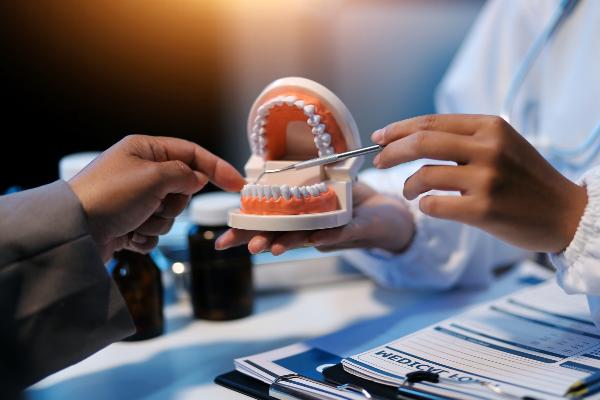
 For many people, dental implants are life-changing, as they drastically improve the appearance of the smile and increase overall comfort and function. That said, the process of installing implants is invasive, requiring several surgeries. As with any surgery, proper care post-implantation is key to preventing infection and ensuring the procedure’s success.
Reducing risk of infection following dental implants surgery
Any area of the body that undergoes surgery becomes exposed for a while and takes time to heal, meaning it can become a breeding ground for bacteria. The good news is that the risk of infection after dental implant surgery is relatively low, and even treating infection can be easy if a patient sees a dentist after developing warning signs. Symptoms of infection include the following:
- Red or swollen gums at the site of the implant
- Loose or wobbly implants
- Pus emanating from the area of the implant
- Bad breath or a bad taste in the mouth
- Dull ache or throbbing pain
- Fever
- Visible threads
- Bleeding when brushing around the implant
All of these symptoms can typically be avoided with proper care post-implant surgery.
Good oral hygiene
A robust oral hygiene routine is a recommended way to prevent an infection from occurring after dental implant surgery. An implant patient’s oral hygiene routine should consist of gently brushing twice a day as normal. Regular brushing helps to prevent the buildup of infection-causing bacteria.
In addition to brushing, patients should also floss regularly. Flossing helps to remove the food particles that a toothbrush cannot reach and ensures that the gums and teeth have a healthy environment in which they can thrive.
Rinse regularly
An essential aspect of the dental implant healing process is rinsing. Patients are advised to rinse the mouth once or twice a day with a dentist-approved mouthwash or a saltwater solution. When the wound is healing, it is much more prone to infection from stubborn bacteria. Rinsing helps to control bacteria buildup and, subsequently, reduce the risk of infection.
Avoid smoking
Smoking not only invites a ton of bacteria into the mouth but also jeopardizes the body’s ability to heal properly. As a result, it is one of the worst things a patient can do post-implant surgery. Dentists advise patients to avoid smoking both prior to and following surgery.
Avoid foods and beverages high in sugar
Sugar is bad for the gums at any time, but it is especially damaging to gums that are in the healing process. At least while the implants heal, patients should avoid foods and beverages that contain a lot of sugar, as it can cause excess bacteria buildup. Sugar particles are also extremely small and can hide in the deepest crevices of the mouth, including within the site of the surgery.
Check out what others are saying about our dental services on Yelp: Dental Implants in San Antonio, TX.
Conclusion
Dental implants have the potential to last a lifetime, but only if the initial implantation succeeds. If you want your procedure to be a success, talk to a dentist about ways to care for the implants immediately following the surgery and long into the future.
Request an appointment or call All Smiles Dental Center at 210-714-7429 for an appointment in our San Antonio office.
Recent Posts
A dental implant is widely considered the tooth replacement solution that most closely resembles a natural tooth in durability, functionality, and appearance. However, like natural teeth, dental implants require diligent and consistent care to ensure longevity. Incorporating proper dental implant care into your oral hygiene routine can prevent complications and keep your smile healthy for…
Dental implants provide a durable and natural-looking solution for missing teeth, but they do not work on their own. An implant crown serves as the final step in this process, completing the restoration and restoring smile function, appearance, and confidence. They mimic the appearance and strength of natural teeth to integrate with the rest of…
Replacing missing teeth with dental implants can result in a stable and strong bite. It restores the crown and the root. Knowing how this dental replacement system replaces a missing tooth can convince you to set an appointment with your dentist about it. Here are the details about how dental implants can make this happen.Tooth…